Facility Managers: 6 Steps to Safe Chemical Plant Decommissioning
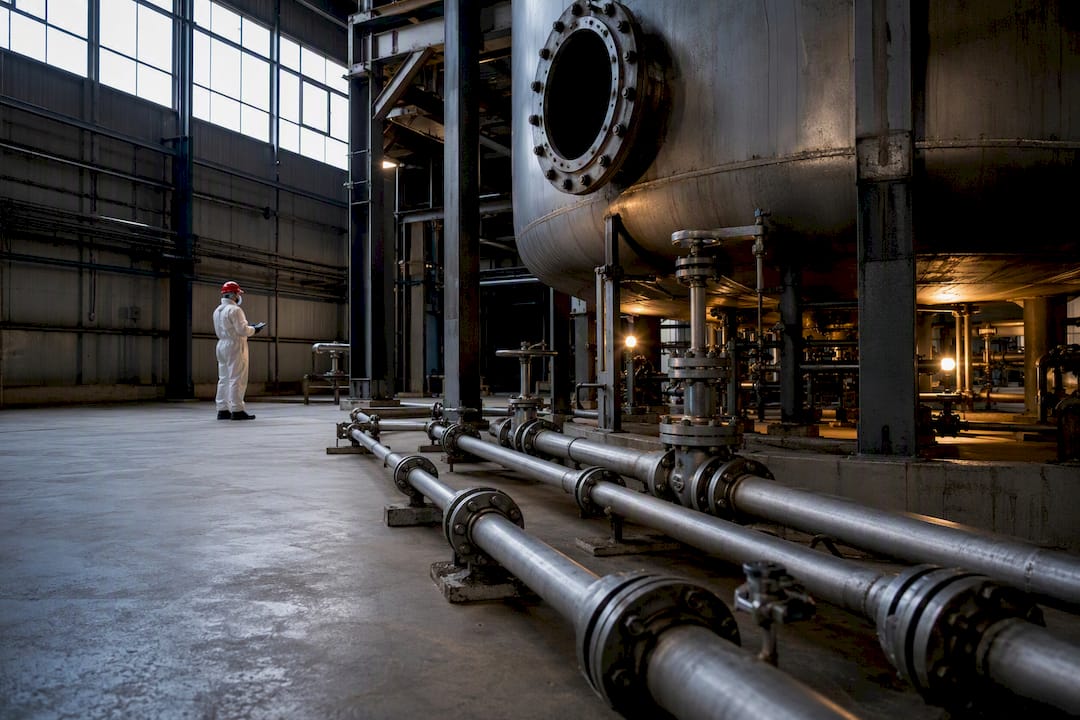
Chemical plant decommissioning is a controlled, staged program to drain and decontaminate process equipment, safely dismantle structures, and remediate the site so it can be reused, sold, or closed for good. The priorities in order are worker safety, regulatory compliance, and liability control, not speed. The American Institute of Chemical Engineers frames this as a deliberate sequence rather than a demolition rush, and certified contractors like Cornelius Wrecking exist specifically to run that sequence without shortcuts.
TL;DR:
- Proper records audits and inventory verification are essential to identify unknown hazards early and prevent costly delays or change orders during decommissioning.
- Choosing a certified contractor with experience in hazardous-material handling and in-house decontamination capabilities reduces execution risks and improves project control.
- Regulatory and stakeholder communication must be proactive, with early pre-notification and regular milestone reporting to avoid procedural stalls and permit delays.
- Site monitoring and documentation of soil, water, and structural conditions must continue after demolition to ensure final approvals and facilitate redevelopment or sale.
- Salvage and reuse of materials only happen safely when decontamination is verified first, and building clear plans around these benefits can lower disposal costs and add value.
Table of Contents
- Why (and When) Companies Decommission Chemical Plants
- Why Controlled Decommissioning Beats Walking Away
- The Decommissioning Process, Stage by Stage
- Safety Controls for Legacy Hazards and Unknown Residues
- Planning the Project and Selecting a Contractor
- What Certified Contractors Bring to a Decommissioning Project
- Your Next Steps This Week
- Stakeholder Engagement Keeps the Project Moving
- Managing Hazardous Materials and Residual Chemicals
- Site Monitoring Doesn’t Stop at Demolition
- Recycling and Reuse: Turning Demolition Debris into Value
- Emergency Response Planning During Active Decommissioning
- What Actually Separates a Smooth Closure from a Costly One
- Get a Certified Crew on Your Decommissioning Project
- Sources
Why (and When) Companies Decommission Chemical Plants
Plants rarely close for a single reason. Economic pressure, aging infrastructure, corporate consolidation, and direct regulatory orders all trigger the decision, sometimes in combination. Westlake’s recent move to rationalize North American chlorovinyl and styrene assets shows how portfolio strategy, not just plant condition, drives closure decisions.
Once the decision is made, the lifecycle runs through predictable phases:
- Decision and financial sign-off
- Planning, permitting, and stakeholder mapping
- Stabilization of process systems
- Decontamination of equipment and structures
- Dismantling and structural demolition
- Site remediation and closure or redevelopment
Timeline and cost hinge on a handful of variables: the number and complexity of process units, whether inventory records are complete or full of gaps, the presence of legacy contamination, local permitting speed, and how much of the structure can be salvaged versus landfilled. A single-unit facility with clean records might close in months. A multi-unit complex with unknown legacy waste can run for years, which is exactly what Dow’s scheduled shutdown of three upstream European assets illustrates on an industrial scale.
Why Controlled Decommissioning Beats Walking Away
Mothballing a plant “for later” feels cheaper in the short term. It almost never is. Idle chemical infrastructure keeps generating cost and risk without generating revenue, and the liability clock doesn’t stop just because production has.
- Legacy contamination and undocumented chemical inventories become more dangerous, not less, the longer they sit unaddressed.
- Ongoing maintenance, security, insurance, and monitoring on an idle site typically cost more over several years than a single, well-scoped closure.
- Controlled dismantling opens up salvage and equipment resale value that a neglected, deteriorating site loses entirely.
- Regulators and neighboring communities increasingly expect documented, monitored closures rather than indefinite limbo, and that expectation shapes permitting leverage on future projects.
A managed closure converts an open-ended liability into a defined, budgeted project. That’s the entire case for doing this now instead of later.
The Decommissioning Process, Stage by Stage
Every credible decommissioning program follows a version of the same sequence, and skipping steps is where projects get hurt, either financially or physically.
1. Preplanning and records audit. Before anyone touches a valve, pull every piping and instrumentation diagram, material safety data sheet, and process history you can find. Map stakeholders: regulators, insurers, neighboring facilities, and internal leadership. Scope permits early because approval timelines often outlast the physical work.
2. Stabilization. This is where you drain, flush, neutralize, and gas-free process systems to remove the immediate hazard of fire, explosion, or toxic release. Tanks and vessels get purged of residual product; reactive chemicals are neutralized on-site or shipped out under strict manifests.
3. Isolation and deenergization. Lockout/tagout procedures, physical blanking of piping, and mechanical disconnection of utilities come next. Nothing moves to decontamination until isolation is verified and documented, not just assumed.
4. Decontamination. Methods vary by contamination type: solvent or steam cleaning for organic residues, in-situ chemical neutralization for reactive materials, and confined-space washdown for tanks and vessels. When residues are unknown, unstable, or potentially explosive, remote-operated equipment, including remote cleaning dozers, removes sludge without putting a crew inside a confined space.
5. Dismantling and structural sequencing. Structures come down in a planned order, not the fastest order. Temporary supports go in before load-bearing elements are cut. Crane lifts and phased cuts follow an engineered sequence, with proof-of-stability checks confirming the remaining shell can hold before the next cut is made.
6. Waste handling and remediation. Every waste stream gets classified, manifested, and routed to a permitted disposal facility. Soil and groundwater testing determine whether remediation is a quick sign-off or a multi-year cleanup.
Pro Tip: Treat structural sequencing as an engineering deliverable, not a demolition crew’s judgment call. A documented cut plan with hold-points for engineer sign-off catches instability before it becomes a collapse.
Safety Controls for Legacy Hazards and Unknown Residues
Old chemical plants hide surprises. Toxic residues in “empty” tanks, reactive materials in dead-leg piping, asbestos insulation on decades-old piping runs, and, in rarer cases, secondary explosives left behind by process chemistry all show up during decommissioning far more often than owners expect.
- Toxic and reactive residues require testing before any mechanical work, not after something goes wrong.
- Asbestos-containing materials need certified abatement crews working under strict air-monitoring protocols before demolition can proceed near them.
- Unknown or explosive residues call for remote-operated equipment that keeps personnel entirely out of the hazard zone.
One documented case involved sensitized secondary explosive residue (ISDN) that required three years of phased, remote-equipment remediation before the site could safely proceed to demolition. That’s an extreme example, but it shows why “unknown until tested” has to be the operating assumption, not an afterthought.
Structural sequencing carries its own risk profile. Cutting a partial shell without validating its remaining stability can damage adjacent operational units, an outcome that turns a demolition project into a plant-wide incident. Engineering sign-off at each demolition hold-point, not just at the start, is what prevents that.
Regulators and insurers typically expect ongoing air, soil, and structural monitoring logs throughout the project, not just a final closure report. Build that documentation into the schedule from day one.
Planning the Project and Selecting a Contractor
Turning the technical sequence into a procurement process starts with three documents: a detailed scope of work, a site-specific safety plan, and a waste management plan tied to a regulatory engagement plan. Commission all three before soliciting bids, because vague scopes are the single biggest source of change orders later.
When evaluating contractors, look past price:
- Direct experience with hazardous-materials handling on comparable process sites
- OSHA and asbestos abatement certifications, verified, not just claimed
- Insurance limits that actually cover the scale and risk profile of the project
- Case studies or references from projects with similar complexity
Contracts should include milestone-based payments tied to verified stage completion, clear change-order rules for unknown conditions discovered mid-project, indemnity provisions covering hazardous-materials handling, and a defined regulator-liaison responsibility so it’s clear who talks to inspectors.
Budget with a real contingency, not a token one. Unknown inventory, undocumented contamination, and structural surprises are the norm on older sites, not the exception. Recent corporate closures illustrate the scale involved: Koppers’ conditional plan to discontinue production describes multi-year wind-down timelines with substantial cash closure charges, a useful benchmark for what “realistic” looks like on a complex site.
Pro Tip: Ask bidders to price the scope three ways: known conditions, a moderate-surprise scenario, and a worst-case unknown-contamination scenario. If a contractor can’t do that, they haven’t done enough of these projects.
What Certified Contractors Bring to a Decommissioning Project
Not every demolition crew is equipped for chemical plant work, and that gap shows up fast once hazardous residues or asbestos enter the picture. Some demolition contractors work across residential, commercial, and industrial sectors, and may offer experience in power plant decommissioning and marine vessel dismantling, including OSHA and asbestos abatement certifications and a nationwide equipment fleet.
Those capabilities map directly onto the stages above:
- Nationwide project capacity supports multi-site or large single-facility closures without relying on a single regional subcontractor.
- A comprehensive heavy equipment fleet covers everything from crane lifts during structural dismantling to excavation during site remediation.
- OSHA and asbestos abatement certifications mean abatement work can proceed under verified compliance before mechanical demolition starts, not as an afterthought bolted onto the schedule.
- Experience with power plant and heavy industrial decommissioning translates to the same sequencing discipline chemical facilities require: stabilize, isolate, decontaminate, dismantle, remediate.
[Facility managers evaluating a specific project can request case studies and reference details directly from Cornelius Wrecking to confirm scope fit before bidding.]
Your Next Steps This Week
Momentum matters more than perfection at this stage. Start with three moves:
- Commission a hazards and inventory audit to find out what’s actually in the facility, not just what the records say.
- Open regulator pre-notification early, since permitting timelines routinely outlast the physical work itself.
- Request scoping bids from certified contractors so you have real cost and timeline data instead of guesses.
Assemble process records, safety data sheets, insurance documentation, and a stakeholder contact list before procurement starts. If early testing turns up asbestos, reactive residues, or anything unidentified, that’s the trigger to bring in specialty subcontractors immediately, before it inflates scope later.
Stakeholder Engagement Keeps the Project Moving
Decommissioning projects stall for procedural reasons almost as often as technical ones. Regulators, neighboring facility operators, insurers, and internal leadership all need different information at different points, and treating that communication as an afterthought is a reliable way to add months to a schedule.
Set up a regulator liaison early, ideally the same person for the life of the project, so inspectors deal with a consistent point of contact rather than a rotating cast. Share stabilization and decontamination milestones proactively rather than waiting for inspection requests. Regulators who see a documented, transparent process tend to move faster on permit approvals than ones who feel like they’re chasing information.
Neighboring facilities and communities deserve real notice too, particularly if dismantling work involves noise, dust, or truck traffic. A short advance briefing on timeline and safety controls heads off complaints that would otherwise land as formal regulatory inquiries.
Internally, leadership needs milestone reporting tied to budget, not just narrative updates. Tying financial reporting to physical stage completion, stabilization done, decontamination verified, dismantling underway, keeps executive sponsors aligned with what’s actually happening on-site rather than reacting to surprises at the end.
Managing Hazardous Materials and Residual Chemicals
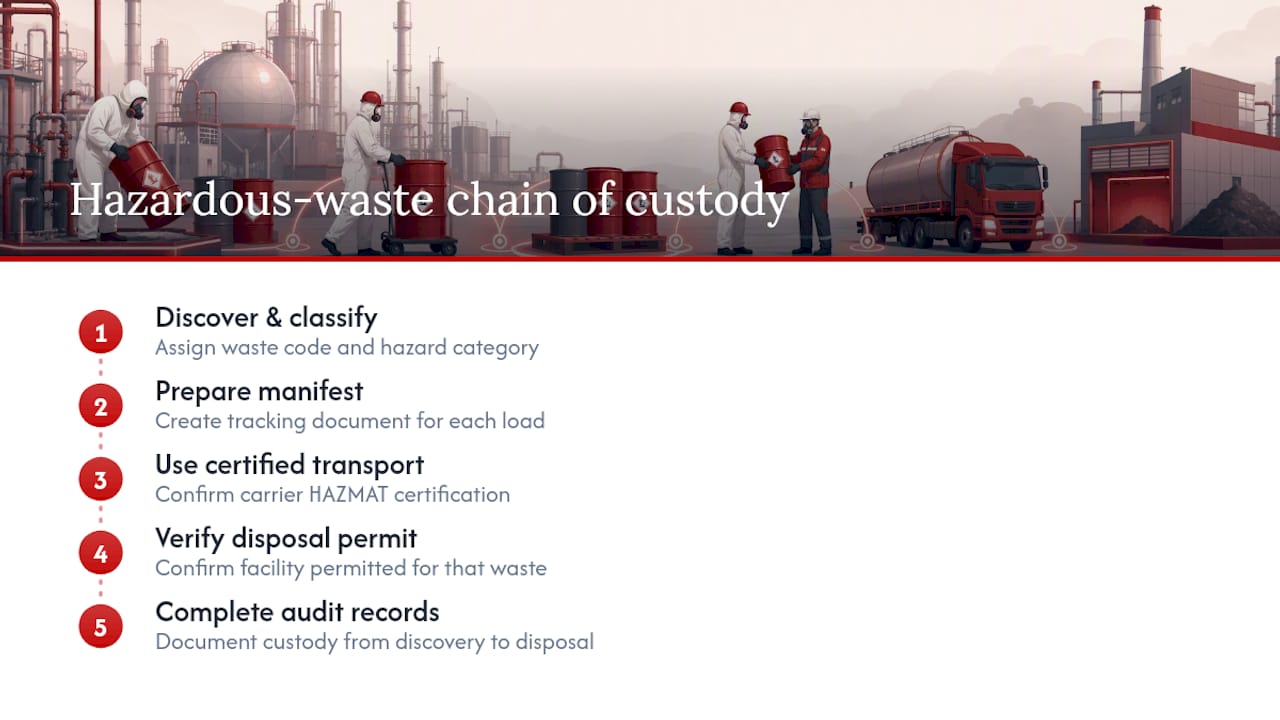
Every chemical residue found during decommissioning needs a documented chain of custody from discovery to disposal. That starts with proper classification: is the material hazardous under applicable waste codes, and if so, which category? Misclassification is one of the most common and most expensive mistakes in decommissioning, because it triggers rework, fines, or disposal-site rejection.
Manifesting is not optional paperwork. Every load of hazardous waste needs a tracking document that follows it from the site to a permitted disposal or treatment facility, creating the audit trail regulators and insurers will eventually request. Transport carriers need their own hazardous-materials certifications, and disposal facilities need to be verified as permitted for the specific waste category, not just “a landfill.”
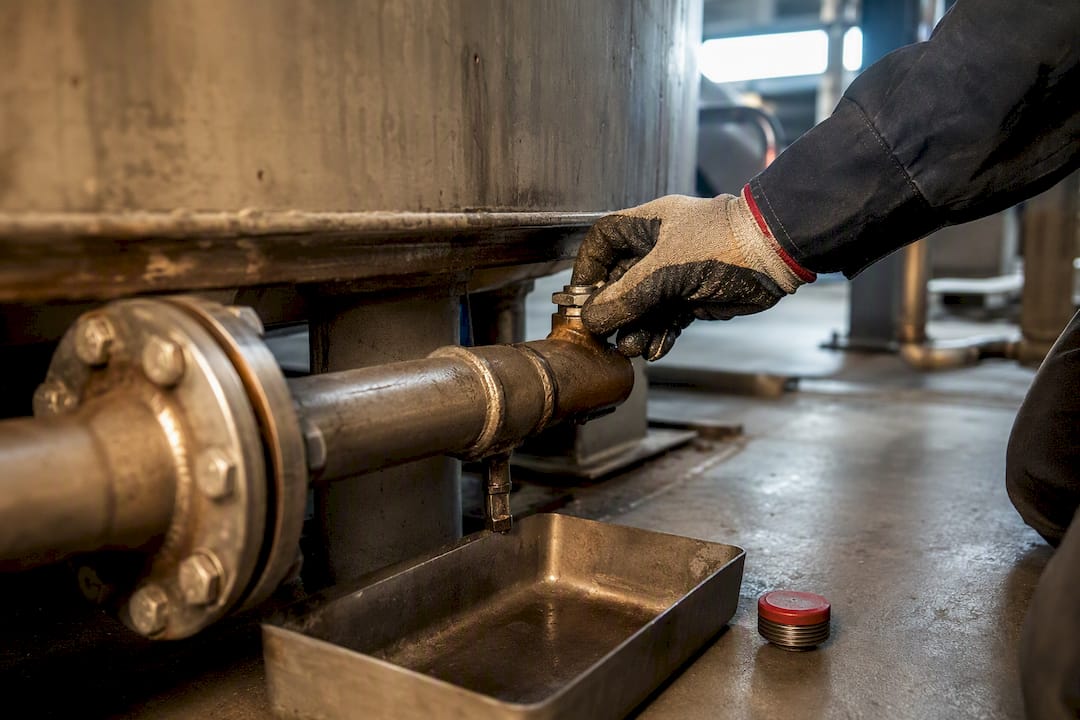
Residual chemicals in dead-leg piping, sumps, and tank bottoms are where most surprises hide. These pockets often get missed in initial inventory audits because they’re not part of active process flow. A thorough decontamination plan tests these locations specifically rather than assuming they mirror the main process stream’s chemistry.
Where remote-operated equipment is required for unknown or reactive residues, factor the added time and specialist rental cost into the budget from the start rather than treating it as a change order later.
Site Monitoring Doesn’t Stop at Demolition
Closure isn’t the finish line. Soil and groundwater conditions can continue shifting for months or years after structures come down, and most regulatory closure agreements require ongoing monitoring to prove it.
Typical post-decommissioning monitoring includes periodic groundwater sampling, soil vapor testing where volatile contaminants were present, and structural or erosion checks if remediation left engineered caps or containment systems in place. The monitoring schedule and duration usually get set as part of the regulatory closure agreement, not left to the owner’s discretion.
Documentation matters here as much as during active decommissioning. A clean monitoring record over the required period is often what unlocks final regulatory sign-off and clears the path to sale or redevelopment. Skipping or under-documenting this phase is a common reason sites stay in limbo years after the physical work is done.
Recycling and Reuse: Turning Demolition Debris into Value
Chemical plant demolition doesn’t have to mean total loss on materials. Structural steel is highly recyclable and often has real salvage value, particularly from large process structures with substantial steel content. Concrete from foundations and pads can be crushed and reused as fill or aggregate on-site, cutting both disposal cost and the volume of material trucked off-site.
Some specialty materials have dedicated reuse paths. Processed glass and sand byproducts, for instance, have established construction reuse applications that keep material out of landfills entirely. Equipment that isn’t contaminated, pumps, motors, structural components, may have resale value to other industrial operators rather than scrap value alone, and sourcing partners who specialize in industrial equipment and components can help assess what’s worth pulling versus recycling as raw material.
The catch is that reuse only works when decontamination is verified first. Salvaging equipment or material before confirming it’s free of hazardous residue creates liability for whoever receives it. Build salvage assessment into the decontamination stage, not after, so contractors know what’s earmarked for reuse before dismantling begins.
Emergency Response Planning During Active Decommissioning
A decommissioning site is not a stable environment. Partial demolition, exposed piping, and active decontamination work all create conditions that differ from both a running plant and a cleared lot, and generic emergency plans built for either one don’t fit.
Every project needs a site-specific emergency response plan covering fire, chemical release, and structural collapse scenarios specific to the current demolition phase, updated as the sequence progresses. What’s dangerous in week two of stabilization looks nothing like what’s dangerous in week twelve of structural dismantling.
Coordination with local emergency responders matters more here than most owners expect. Fire departments and hazmat teams responding to a decommissioning site need current information on what’s been decontaminated, what hasn’t, and where structural instability might complicate a response. A pre-project briefing with local responders, updated at major milestones, closes that information gap before an actual emergency does.
Clear roles matter just as much as the plan itself. Who calls 911, who evacuates which zones, and who briefs responders on-site should be assigned by name, not by title, and reviewed at every toolbox talk during active demolition phases.
What Actually Separates a Smooth Closure from a Costly One
The conventional advice on decommissioning fixates on demolition technique, cranes, cutting sequences, structural engineering, and that’s not wrong, but it’s not where most projects actually lose time or money. The real damage happens earlier, in the records audit that never got done properly and the regulator conversation that started too late.
Every case referenced here, from the ISDN remediation that stretched to three years to the multi-year corporate wind-downs at Koppers and Dow, shares the same root cause: unknowns discovered mid-project instead of before it. Structural sequencing gets the engineering attention it deserves because collapse is visible and immediate. Records gaps and undocumented residues get less attention because their consequences show up months later as a change order or a regulatory hold, not a headline.
If there’s one thing facility managers should prioritize above the demolition plan itself, it’s the inventory audit. Spend the extra week on it. The staged process outlined here works when the inputs are known. It becomes expensive and slow the moment they’re not.
— Zach
Get a Certified Crew on Your Decommissioning Project
Some contractors offer a direct alternative to piecing together separate abatement, demolition, and hauling contractors for a chemical plant closure. They may provide a certified crew that handles the sequence from decontamination through dismantling to debris removal, which can reduce the coordination burden that usually falls on the facility manager when multiple specialty subcontractors are involved.
That matters most on projects with legacy hazards or incomplete records, exactly the conditions this guide flags as the biggest risk to timeline and budget. Certain contractors with nationwide capacity and heavy equipment fleets cover power plant decommissioning, marine vessel dismantling, and chemical facility closures, sometimes handling crane services and dump trucking in-house rather than subcontracting.
If you’re scoping a plant closure, request a project consultation to get a scoping bid built around your facility’s actual conditions, not a generic estimate.
Sources
Planning a demolition or excavating project?
Get a fast, no-obligation quote from Cornelius Wrecking.
Request a Quote