Which Debris Hauling Method Fits Your Job Site?
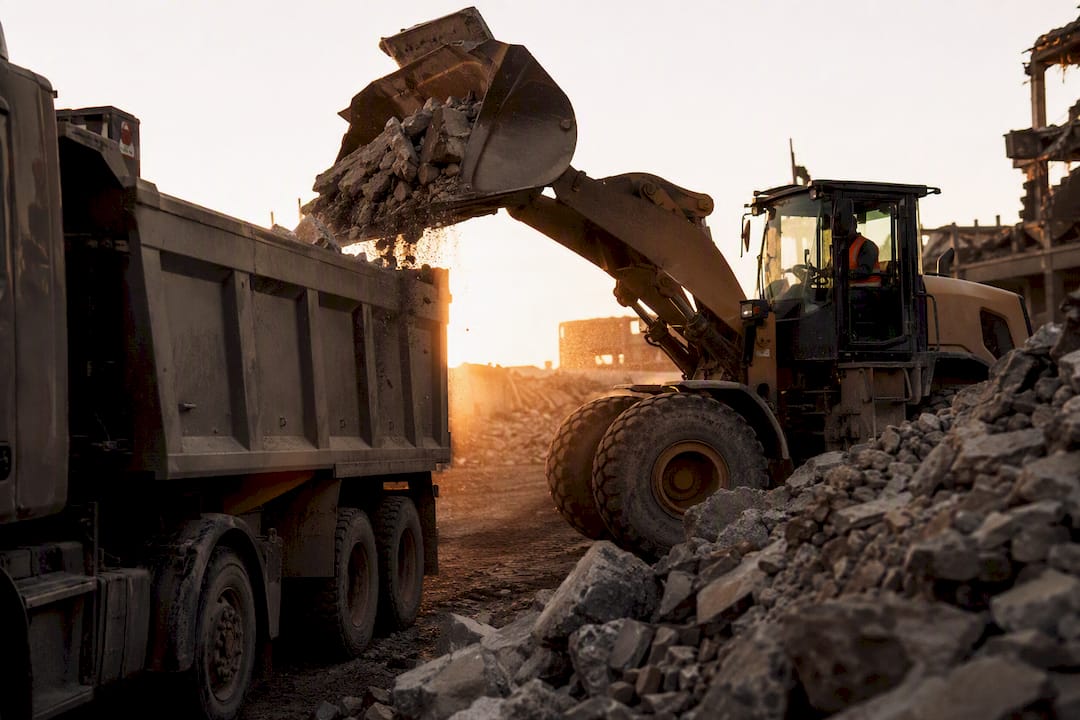
For an active contractor site, live loading is the fastest fix: a crew shows up, loads a truck while trades keep working, and you skip the dumpster and permit hassle entirely. For projects that run weeks or months and need somewhere to dump debris continuously, a roll-off dumpster wins. For lot clearing or a pile of brush and mixed junk, a grapple truck clears it in one pass. Same-day availability is common for live-loading pickups, while a dumpster placed on a street or lot may need a permit first.
The fastest way to get a real number: send photos of the debris pile and a few details about the job.
- Active remodel or renovation: live-loading, often same-day
- Long gut job or multi-phase build: roll-off dumpster with a service agreement
- Lot clearing or brush removal: grapple truck, usually flat-rate per load
- Heavy demolition debris: ask about mechanical loading to skip manual labor
Key Takeaways
The right hauling method depends on job type, not preference: live-loading for active sites, roll-off dumpsters for long-duration projects, and grapple trucks for bulky, low-density debris.
| Point | Details |
|---|---|
| Match method to job type | Live-loading suits active sites, dumpsters suit multi-week projects, grapple trucks suit bulky brush and lot clearing. |
| Get photo quotes upfront | Send debris photos and access details so pricing reflects density, distance, and labor accurately. |
| Confirm permit needs early | Dumpsters placed on streets or public space often require municipal permits or a registered hauler. |
| Request documentation | Ask for disposal receipts or manifests at job completion to prove compliant disposal. |
| Choose a full-service contractor for complex jobs | Corneliuswrecking pairs demolition with debris hauling and holds OSHA and asbestos abatement certifications for large or hazardous-material projects. |
Table of Contents
- Construction Debris Hauling: Comparing Your Service Options
- How to Choose the Right Hauling Method for Your Job
- What Drives the Price of Construction Debris Removal?
- What Equipment Should You Ask For?
- How Scheduling and Permits Affect Your Pickup
- Compliance and Safety: What Every Hauler Should Handle
- Preparing Your Site for Pickup Day
- What Most Advice Gets Wrong About Debris Hauling
- Get a Straight Answer on Your Debris Hauling Job
- Sources
Construction Debris Hauling: Comparing Your Service Options
Four service types cover almost every job, and picking the wrong one is usually what blows a schedule or a budget.
- Roll-off dumpsters come in standard sizes, typically 10 to 40 yards, and sit on-site for the duration of a project. They’re the right call when you need somewhere to toss debris continuously over days or weeks, and someone manages pickup and swap-out on a schedule rather than a single haul.
- Live-loading truck pickups put a crew and truck on-site to load debris directly, no bin required. This keeps skilled trades moving instead of stepping around a dumpster, and it’s commonly offered same-day in serviced areas, which matters when a framing crew is billing by the hour and can’t wait on paperwork.
- Grapple or boom trucks handle bulky, low-density material fast, brush, logs, torn-off siding, broken furniture, without anyone hand-loading it piece by piece.
- Recurring pickup schedules fit longer builds where debris accumulates in phases. Instead of booking a new haul every time, you lock in a service block, usually weekly or biweekly, so cleanup never becomes the bottleneck.
How to Choose the Right Hauling Method for Your Job
Match the method to four things: how much the truck or dumpster disrupts your site, how much labor you’re willing to spend loading, how fast you need debris gone, and how predictable you need the cost to be.
- Small remodel or kitchen gut: live-loading, minimal disruption, no bin taking up driveway space
- Full interior gut job: roll-off dumpster, since debris volume builds over multiple days
- Exterior demo (siding, roofing, decks): grapple truck if it’s bulky and low-density; live-loading if it’s mixed and heavy
- Lot or land clearing: grapple truck almost every time
Watch for red flags before you commit to a method. A narrow alley or shared driveway can rule out a full-size roll-off truck. Regulated materials, old insulation, painted debris, anything that might contain asbestos, changes the whole plan and may require abatement first. And heavy concrete or dirt loads price differently than mixed lumber and drywall, so don’t assume one quote style applies to every material on-site.
Pro Tip: If you’re not sure which method fits, describe your access constraints, not just your debris volume, when you request a quote. A hauler can work around a lot of debris; they can’t work around a truck that doesn’t fit down your driveway.
What Drives the Price of Construction Debris Removal?
Pricing shows up in a few common shapes: per-yard for dumpster volume, truckload flat rates for live-loading, per-ton or by weight for dense material, and flat-rate pickups for grapple trucks handling a set yardage. None of these is universally cheaper, they’re built around different job types.
What actually moves the number:
- Material density — concrete and dirt weigh far more per yard than lumber or drywall, and haulers price by weight or volume accordingly
- Disposal and dump fees — some quotes include them, some tack them on after weigh-in
- Distance to the disposal site
- Labor and loading time, especially if the crew is hand-loading versus using equipment
- Permit costs, when a dumpster needs street or municipal approval
Some regional grapple truck providers publish flat-rate pricing for a set yardage, which simplifies budgeting for brush and bulky low-density loads, but mixed demolition debris rarely fits a flat number that cleanly. That’s why haulers typically ask for photos or an on-site look before locking in a price. A pile of drywall and 2x4s might run one number; the same volume in broken concrete runs considerably higher because of sheer weight.
Ask every provider the same three questions: Does the quote include dump fees? What happens if the load is heavier than estimated? Is the price per yard, per ton, or a flat truckload rate? Comparing quotes that aren’t built the same way is the fastest way to get burned on a “cheap” bid that balloons after pickup.
What Equipment Should You Ask For?
The right equipment isn’t just about speed, it determines who does the physical loading. Common setups include standard roll-off trucks, grapple trucks sized for 25 to 60 yard loads, skid steers, and track loaders for heavier material.
- Roll-off trucks handle standard dumpster delivery and swap-out
- Grapple trucks grab bulky, irregular debris without manual sorting
- Skid steers and track loaders move heavy demolition material fast and reduce the crew hours spent hand-loading
If a job involves broken concrete, masonry, or a large debris pile, ask specifically for mechanical loading with a trailered excavator or loader rather than assuming a basic truck crew will muscle it by hand. That one request can cut hours off a heavy demo cleanup and keep your labor cost from creeping into the hauling bill.
How Scheduling and Permits Affect Your Pickup
Same-day live-loading is common in serviced areas, but recurring pickups on a multi-week job need to be booked ahead to guarantee a slot during busy season.
- Confirm lead time first. Same-day works for live-loading; roll-off delivery and recurring service blocks usually need advance notice.
- Check permit requirements. Many cities require registered haulers or permits for professional construction dumpsters placed on a street or public right-of-way, separate from the looser rules for DIY homeowner cleanup.
- Flag access constraints early. Overhead lines, narrow driveways, and limited staging space can force a switch from a large roll-off to live-loading or a smaller truck, so mention these before the crew shows up, not after.
Compliance and Safety: What Every Hauler Should Handle
Reputable haulers exclude hazardous materials outright. Asbestos, contaminated soil, and certain regulated wastes need specialist abatement, not a standard debris truck, and any provider that skips this distinction is one to avoid.

Before hiring, ask for proof: OSHA training records, asbestos abatement credentials if the job involves older construction, and current insurance limits. These aren’t paperwork formalities, they’re what protects you if something goes wrong on-site.
Request a disposal receipt or manifest at job completion. It’s your proof the debris went where it was supposed to, and some jurisdictions require it for compliance on larger projects.
Pro Tip: Keep every disposal receipt in your project file, not just the invoice. If a compliance question ever comes up months later, that manifest is the document that actually protects you.
Preparing Your Site for Pickup Day
A little prep saves real money on loading time and avoids sorting fees.
- Clear a path to the debris pile and confirm the truck or equipment can actually reach it.
- Stack materials by type where possible, and separate anything hazardous.
- Post permit documentation visibly if your dumpster needed one.
- On arrival, expect a quick crew check-in, a loading sequence based on what’s heaviest or bulkiest first, a final sweep of the area, and your disposal documentation before the truck leaves.
What Most Advice Gets Wrong About Debris Hauling
Most guidance treats dumpsters as the default and everything else as an afterthought. That’s backwards for active job sites. A dumpster sitting in a driveway for three weeks isn’t neutral, it’s lost staging space, a tripping hazard, and often a reason trades work around clutter instead of through it. Live-loading gets treated as a minor convenience when it’s actually the more disciplined choice for any site where billable hours matter more than container rental math.
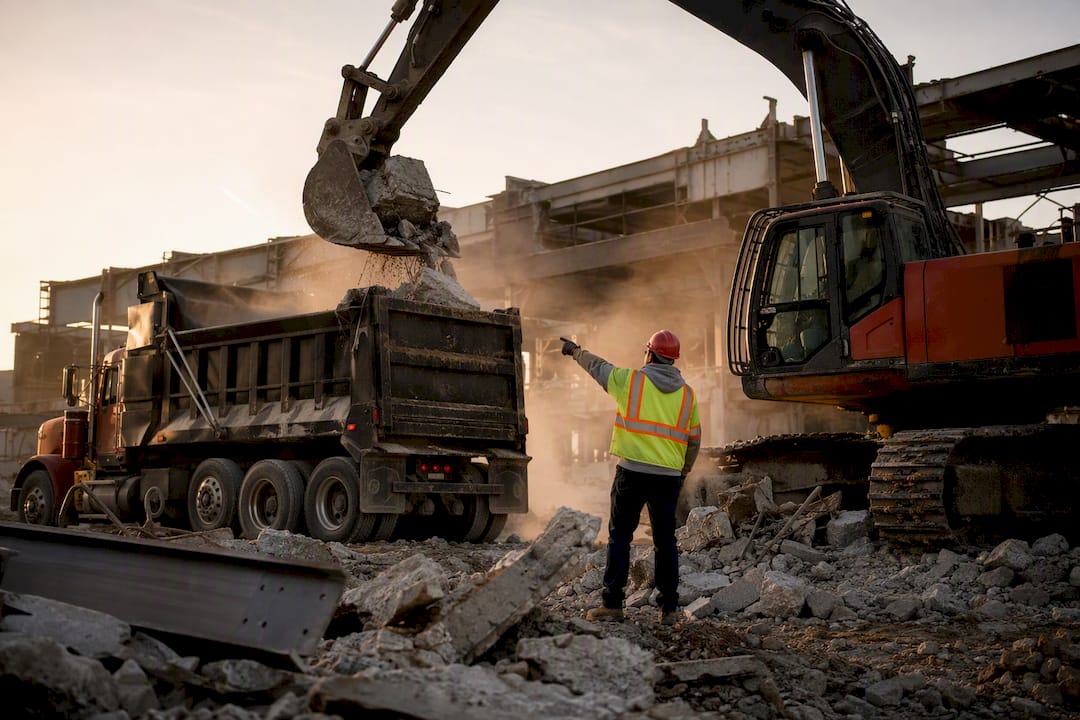
The bigger blind spot is treating hauling as separate from demolition. On a real teardown or major renovation, the crew that swings the hammer and the crew that hauls the debris need to move at the same pace, or one becomes a bottleneck for the other. That’s the case for hiring one contractor who handles both, especially on jobs involving asbestos or other regulated material, where a hauler without abatement credentials simply can’t touch the debris legally.
Prioritize the provider who can scope your access constraints and material mix correctly before quoting, not the one with the lowest number on a generic estimate. That single filter eliminates most of the bad hires on this list.
— Zach
Get a Straight Answer on Your Debris Hauling Job
Corneliuswrecking handles demolition and debris hauling as one job, not two separate calls. That matters most on projects where a standard junk hauler won’t touch the material, old buildings with asbestos, industrial sites, heavy concrete and masonry loads that need real equipment, not a crew with shovels.
The crew carries OSHA and asbestos abatement certifications, runs a fleet built for heavy loads, and has worked residential, commercial, and large industrial jobs across Missouri, Kansas, and nationwide. That combination is why Corneliuswrecking fits large-scale or hazardous-material projects better than a general hauling service split across multiple vendors: one contractor, one schedule, one point of accountability from teardown to final haul-off.
If your project involves demolition plus debris removal, whether it’s a full building, a power plant, or a job with materials that need specialist handling, send site photos and project details to Corneliuswrecking for a quote. It’s the fastest way to find out what the job actually requires before a crew shows up.
Sources
- Construction Debris Removal for Contractors | Two Dudes
- Construction Debris - DSNY
- Debris Eater — Construction Debris Removal
Recommended
Planning a demolition or excavating project?
Get a fast, no-obligation quote from Cornelius Wrecking.
Request a Quote